As the environmental spotlight sharpens on the state of the UK’s rivers, phosphorus removal has emerged as both a regulatory imperative and an operational challenge for the water industry. With Ofwat increasing its expectations, the Water Industry National Environment Programme (WINEP) placing phosphorus reduction high on the agenda, and new legislative frameworks adding pressure, companies must act decisively and smartly.
The Environmental Permitting (England and Wales) Regulations impose legally binding limits on phosphorus discharges from wastewater works. Meanwhile, the Environment Act 2021 introduces long-term targets, mandating an 80?% reduction in phosphorus by 2038, with an interim 50?% reduction by 2028. This is all to ensure sustainable water quality improvement.
Phosphorus Removal in a Tightening Landscape
Why Phosphorus Matters More Than Ever
Excess phosphorus remains the leading cause of water quality failures in England and Wales, driving widespread eutrophication, harmful algal blooms, and ecosystem degradation. While agricultural runoff plays a role, wastewater discharges are now under growing scrutiny.
In AMP8 (2025–2030), Ofwat is directing a record £6?billion investment across 1,500 sewage works, with approximately 880 being upgraded for phosphorus removal. The phase also builds on AMP7 progress; Anglian Water’s £338?million across 170 sites is a notable example. Under AMP8, the focus intensifies as statutory compliance aligns with environmental ambition driven by WINEP and tightened EPR consent levels.
Ofwat ensures water companies are funded and incentivised to meet environmental targets set by the Environment Agency and Defra, rather than setting those targets directly.
The Regulatory Backdrop: Ofwat, WINEP and Beyond
Price review (PR) process
Every five years; PR24 covers 2025–2030. Ofwat sets price limits and enables funding for environmental investment, including phosphorus removal. Companies must robustly justify these investments in their business plans.
Winep (environmental programme)
The Water Industry National Environment Programme defines the specific environmental schemes companies must deliver. Ofwat includes these in the PR and ties them to Outcome Delivery Incentives (ODIs), rewarding overperformance and penalising underachievement.
Environmental permitting regulations & environment act 2021
The EPR sets phosphorus discharge limits that are legally enforceable via permits. The Environment Act 2021 strengthens this framework by setting long-term water quality targets and expanding monitoring and transparency obligations.
Innovation Fund: Supporting Next-Generation Solutions
In addition to PR-based funding, Ofwat also oversees a £200 million Innovation Fund (2020–2025). This is a competitive initiative designed to encourage bold, collaborative solutions to the sector’s biggest challenges, including phosphorus removal.
Water companies, in partnership with tech firms, SMEs, and academia, can apply for funding through competitions such as the Water Breakthrough Challenge and Water Discovery Challenge. These schemes back projects that explore areas such as:
Smart chemical dosing systems
Nature-based and catchment-level nutrient reduction
AI-driven optimisation of treatment processes
Biological phosphorus removal innovations
Colloide’s turnkey and flexible technologies are well-positioned to support utilities exploring these pathways, both through traditional investment and Innovation Fund-backed trials.
In short, these key organisations and regulations are making it clear: phosphorus reduction is non-negotiable, and companies must invest in the right solutions, now.
Colloide: Advanced Solutions for Phosphorus Removal
At Colloide, we recognise that water companies need cost-effective, compliant, and future-proof technologies, designed to meet the full spectrum of today’s tightening regulatory demands.
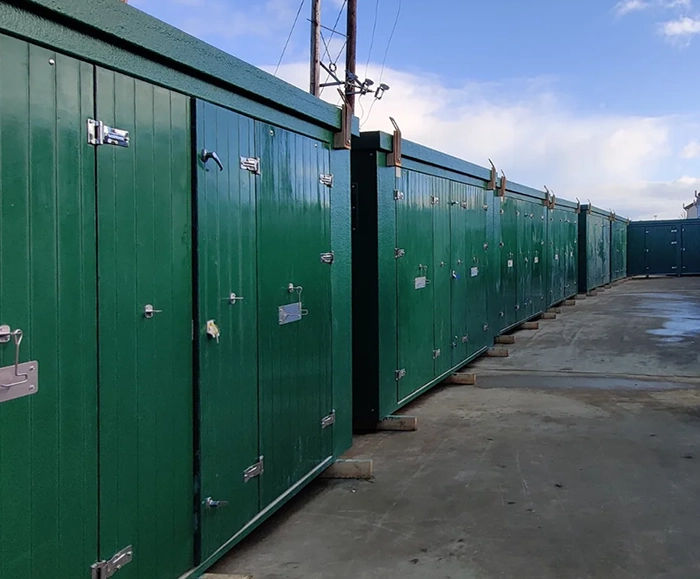
Chemical Dosing Systems
Our systems are precision-engineered for reliability and operational simplicity:
Optimised coagulant dosing for effective phosphorus removal
Smart control systems responsive to real-time influent changes
Compact, modular designs for swift installation and smooth integration
These systems are ideal for everything from rural site upgrades to large-scale AMP8 rollouts.