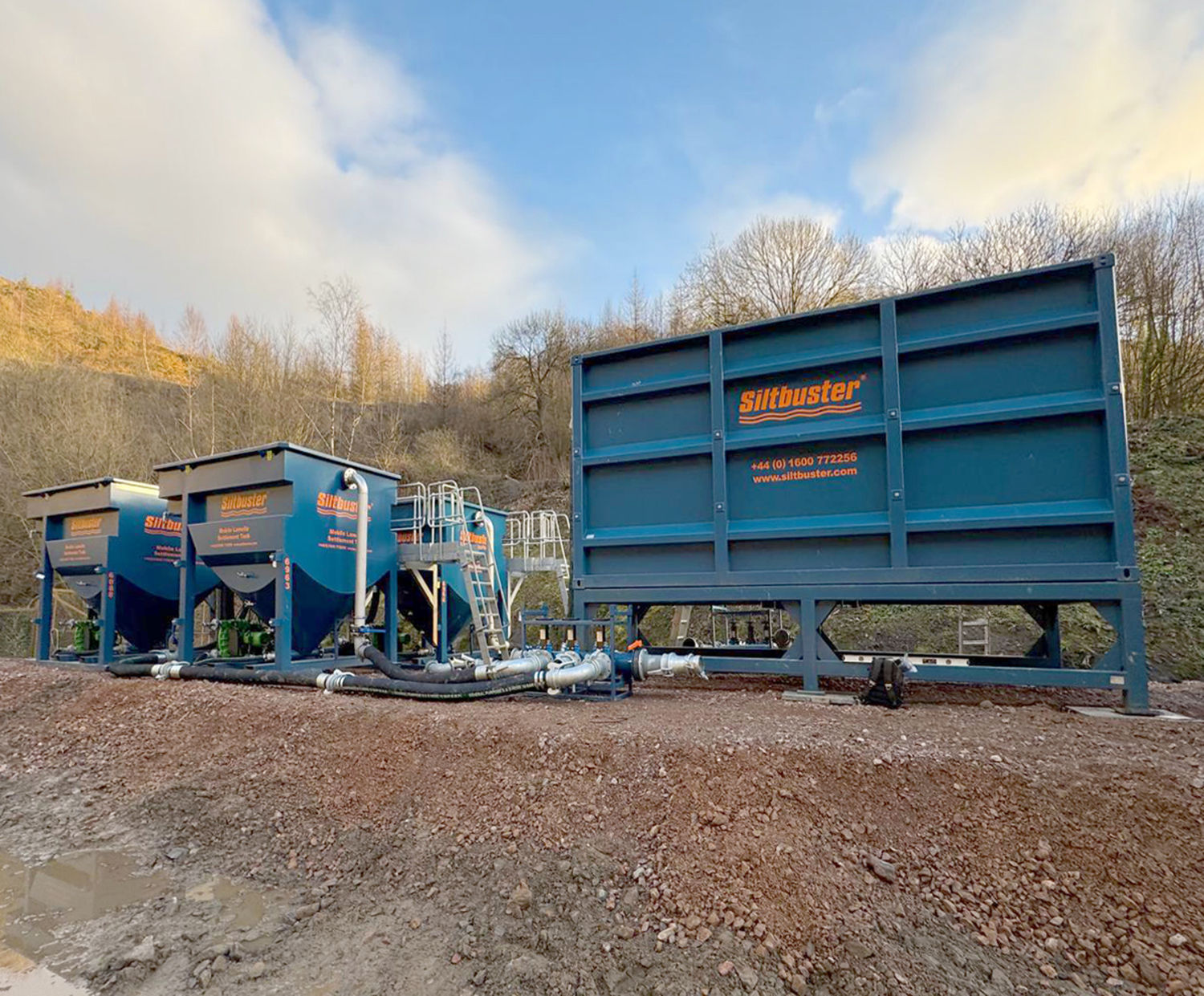
Siltbuster’s modular treatment systems operate across multiple points on site, ensuring that water is treated effectively and discharged well within consent limits
Safely managing groundwater and surface water for infrastructure projects
Few construction activities are possible without effective de-watering. Whether it’s groundwater displaced by groundworks, surface water accumulating after heavy rainfall, or more serious flooding, removing water in a controlled and compliant way is critical to every infrastructure project.
Under increasingly stringent requirements, including the need to ensure any wastewater discharged into the environment is within consent for contaminants including solids/silt, hydrocarbons, dissolved metals and pH, effective water treatment is more important than ever for every site.
Depending on site conditions and project requirements, de-watering may be a temporary measure during a particular construction phase, or part of a longer-term strategy to manage groundwater or surface flows. Sometimes sites need to deal with varying flows as seasons change or as the site activities vary through the programme.
De-watering safely and compliantly
Removing water from a site is rarely as simple as pumping it away. De-watering can have significant environmental implications, especially where large volumes of groundwater are involved or where water is contaminated.
One of the main challenges is discharge quality. Water found on construction sites often contains suspended solids, hydrocarbons, dissolved metals, elevated pH, and other contaminants picked up as it moves through soil or across exposed ground. Before discharge to surface water, ground or sewer, this water typically needs to be treated to meet consent limits.
In the UK, de-watering activities are tightly regulated. Discharging to surface water or ground may require an environmental permit from the Regulator (Environment Agency, Natural Resources Wales, or the Scottish Environment Protection Agency), while discharge to the public sewer requires consent from the relevant water company. Sustainable de-watering strategies therefore combine containment, monitoring and treatment to minimise risk and maintain compliance.
As expectations and awareness of environmental protection increase and discharge regulations tighten, the need for well-designed, responsibly operated treatment systems is only growing.
That means a modular approach makes sense. Using separate, plug-and-play units assembled off-site and configured precisely as required, Siltbuster’s specialists can design systems that meet the precise volumes, contamination types and flow rates of every site.
De-watering – a Siltbuster case study
Siltbuster is providing modular water treatment solutions to support the building of a new state-of-the-art hospital in one of the largest healthcare construction projects in the UK.
Our teams were engaged by the principal contractor for the scheme to design and deliver a solution to manage surface water runoff generated by extensive earthworks being carried out on site.
Effective treatment of this wastewater was essential to help minimise the environmental impact of the works on local watercourses, and to ensure the client remained within the requirements of its permit.
The challenge
During the early phases of the build, large areas of topsoil were removed to prepare the site for major structural works. This resulted in surface water runoff carrying high levels of suspended solids.
Siltbuster’s specialists were engaged around 18 months before work began on site to help design water management plans. The objective was to ensure the site could handle and treat all runoff to the required standard before discharge.
The solution
After calculating flows and analysing soil from the site, Siltbuster specified and installed a solution capable of ensuring the wastewater was clean at the point of discharge.
Two modular systems were installed, each able to handle 35 litres per second. Each was made up of a 20ft dosing container, which introduces flocculants and coagulants to help bind particles, an MT30 mix tank, and two HB50M lamella clarifiers to settle out the solids. The solutions included pH correction to neutralise any out of consent water. Sludge pumps were fitted to each of the HB50M units to enable easy, automated removal of the waste.
To aid capacity during later construction phases, Siltbuster has now installed an additional third identical setup and a fourth, smaller one comprising an iCDS, MT20 mix tank, and two HB50M clarifiers.
Water quality monitoring equipment was also installed to enable the client to view real-time information on the turbidity and pH of the outlet waters remotely via an online portal, using the Siltbuster Clarity system. This provides reassurance that the site remains in consent, increases efficiency and reduces environmental impact by limiting the number of visits to site required.
The result
Siltbuster’s modular treatment systems operate across multiple points on site, ensuring that water is treated effectively and discharged well within consent limits.
Collaboration with the client from the early design phase through to installation and operation has allowed the project team to mitigate the risk of pollution and maintain compliance under challenging and evolving site conditions. Early engagement helped to optimise the size of treatment systems, and the modular nature ensured site only installed what they needed for the duration it was required.
The client now treats and discharges water at key locations across the scheme, significantly reducing the environmental impact of the works and the risk of fines for non-compliance.
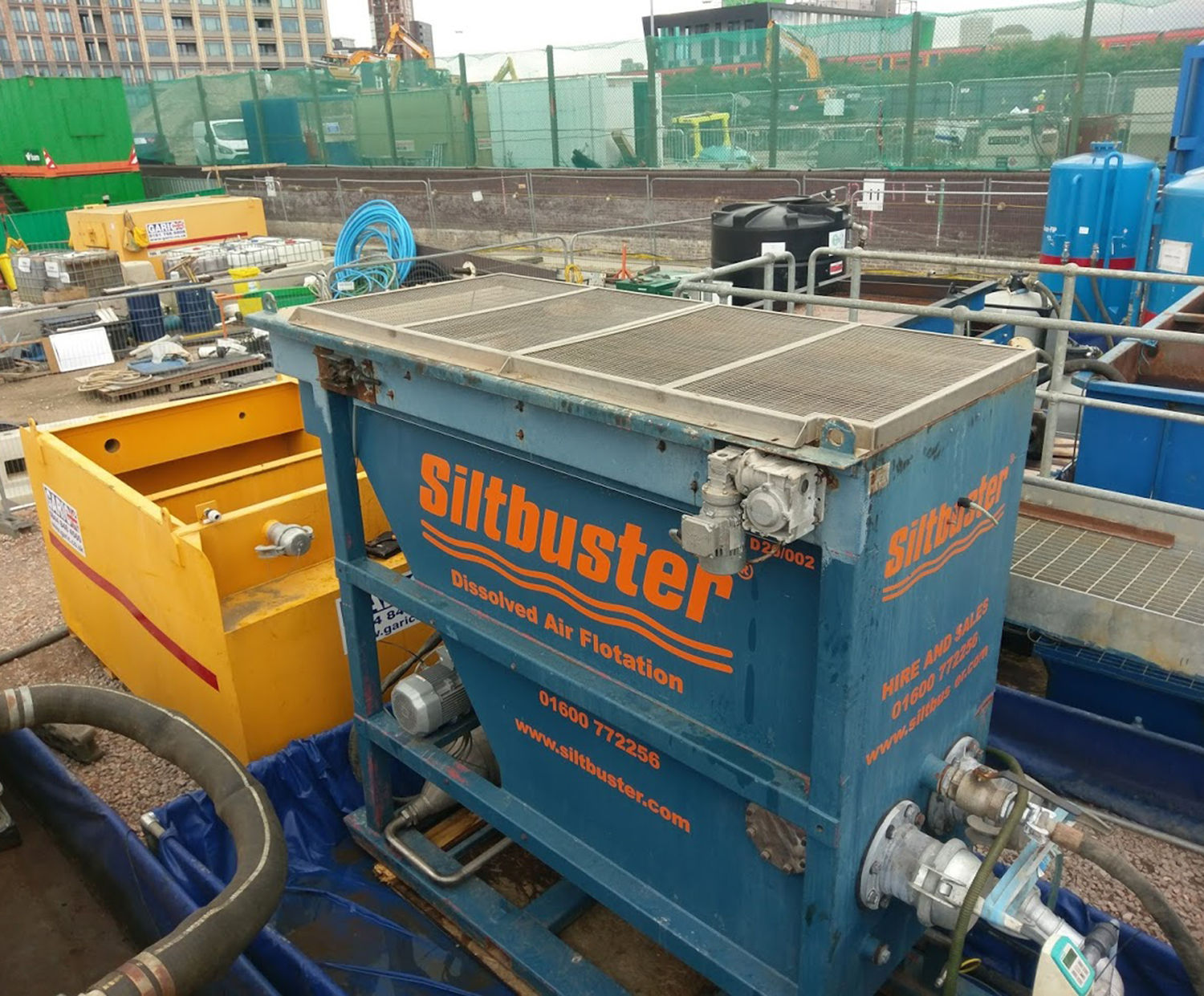
With the right combination of engineering expertise, modular treatment systems and real-time monitoring, de-watering can be managed efficiently – even on complex, high-risk sites
A smarter approach to de-watering
With the right combination of engineering expertise, modular treatment systems and real-time monitoring, de-watering can be managed efficiently – even on complex, high-risk sites.
If you need expert advice on de-watering or managing surface and groundwater safely and compliantly, contact Siltbuster’s specialists today.