We have been helping designers and specifiers find the best solutions for their projects since 1988. ENVIROPRO is an ESI.info brand.
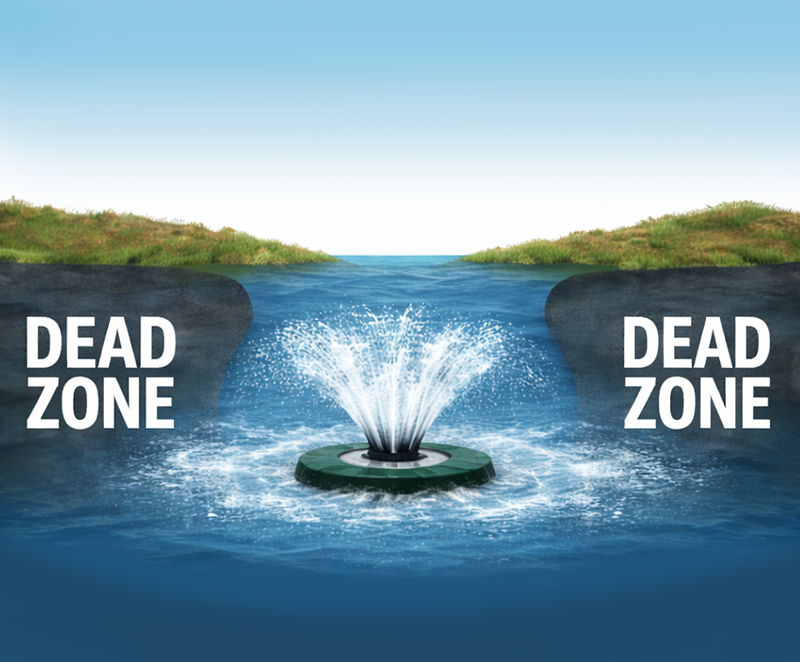
The right Aeration system helps combat odour, dead zones & water quality
Aeration systems are frequently selected based on price or appearance — not the actual requirements of the water body. When this happens, the system may look fine on the surface but fail to deliver meaningful improvement beneath it.
Choosing the right Aeration system helps combat odour, dead zones & water quality
Why aeration systems fail
Undersized systems that don’t deliver enough oxygen
Poor placement, leaving areas untouched
No consideration for depth, surface area or water use
One-size-fits-all solutions applied to complex sites
These issues often lead to recurring algae problems, odour, stagnation and higher long-term costs.
In any lake, pond or reservoir, no matter the size, it’s important to have sufficient dissolved oxygen (DO) Levels
A better approach to aeration
From small ponds to large lakes, effective aeration should be designed around:
Site-specific assessment
Correct system sizing
Strategic placement
Reliable performance in UK conditions
Every water body is different — and aeration should be specified accordingly.