Effective management of fats, oils and grease (FOG) remains a persistent operational challenge across wastewater treatment infrastructure. At the primary treatment stage, where physical separation processes dominate, optimising the removal of floating contaminants can have a measurable impact on downstream performance.
At a recent installation, Smart Storm’s Greasebuster system has been applied to a Primary Sedimentation Tank (PST), a key asset in early-stage treatment. PSTs are designed to slow incoming flows, allowing heavier solids to settle as sludge while lighter materials such as oils and grease rise to the surface for removal. Under typical conditions, this stage can remove around 50–70% of suspended solids and 25–40% of biochemical oxygen demand (BOD), helping to reduce the burden on secondary biological processes.
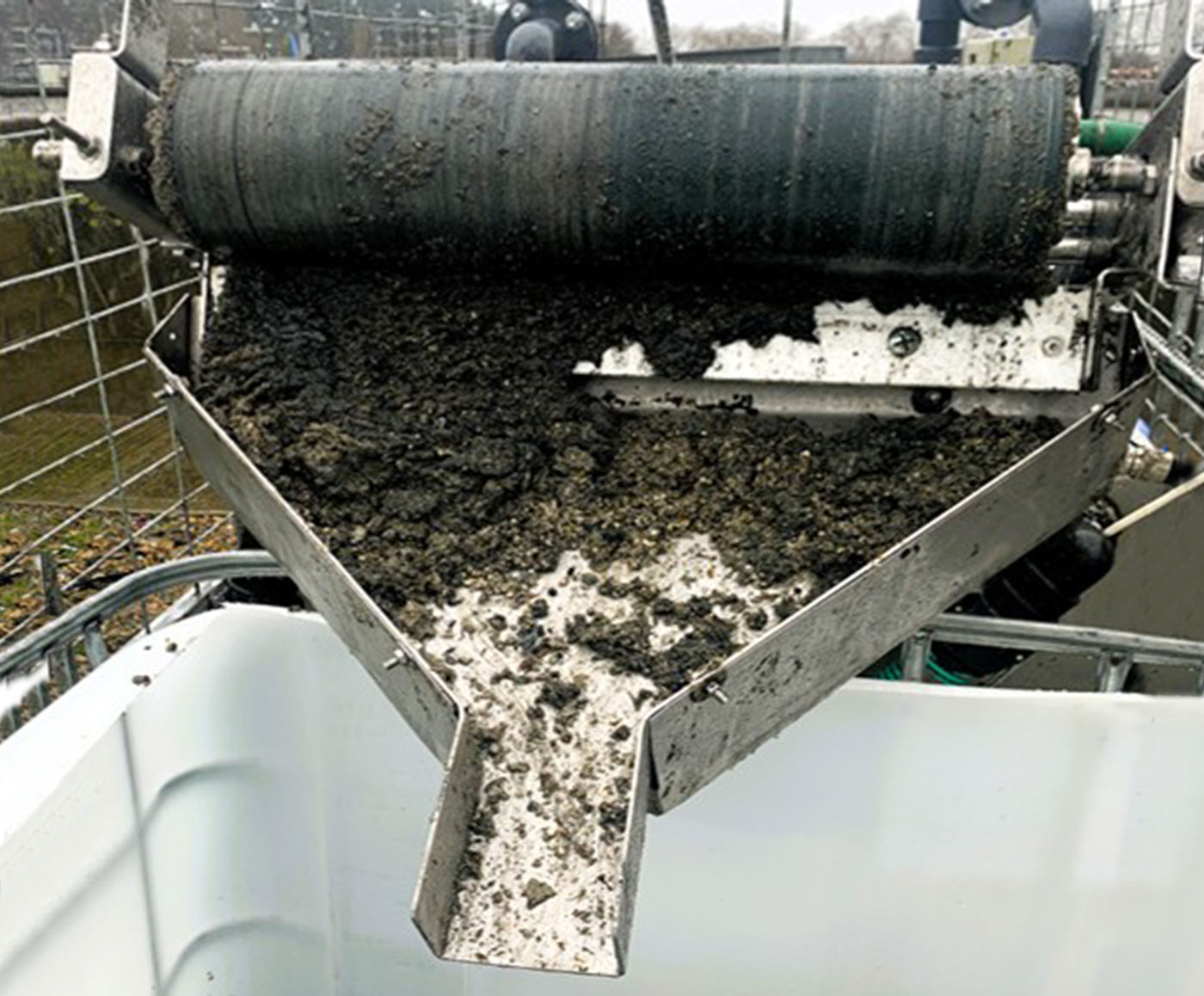
Smart Storm Greasebuster Enhances FOG Removal at Primary Treatment Stage
However, inefficient skimming or inconsistent surface removal can allow FOG to pass through the system, contributing to blockages, reduced oxygen transfer efficiency, and increased maintenance requirements further along the treatment train.
The introduction of targeted surface grease removal technology at this point is intended to address these issues at source. By enhancing the capture and removal of FOG within the PST, systems such as Greasebuster can help to protect downstream assets, stabilise aeration performance, and support more consistent biological treatment conditions.
Interventions at the primary stage are increasingly being recognised as a practical way to improve whole-site efficiency, particularly as treatment works face tighter regulatory expectations and variable influent loads. Improving performance early in the process can reduce energy demand, limit operational disruption, and contribute to more resilient plant operation overall.
As wastewater operators continue to look for incremental gains in efficiency and reliability, approaches that focus on optimising existing treatment stages—rather than relying solely on end-of-pipe solutions—are likely to play an important role in future process design and upgrade strategies.